Somatic Yoga : How The House of No Nurtures Your Nervous System
Chronic stress activates your sympathetic “fight‑or‑flight” response and floods your body with cortisol and adrenaline. Over time that can manifest as tight shoulders, digestive troubles, insomnia and anxiety. To reclaim calm, more and more Gautengers are turning to somatic yoga – a style of embodied movement that helps your nervous system switch back into its restorative “rest‑and‑digest” mode. At the forefront of this soft revolution is The House of No, a Johannesburg‑based sanctuary that offers somatic flows, breathwork and rituals specifically designed for your nervous system.
What is somatic yoga?
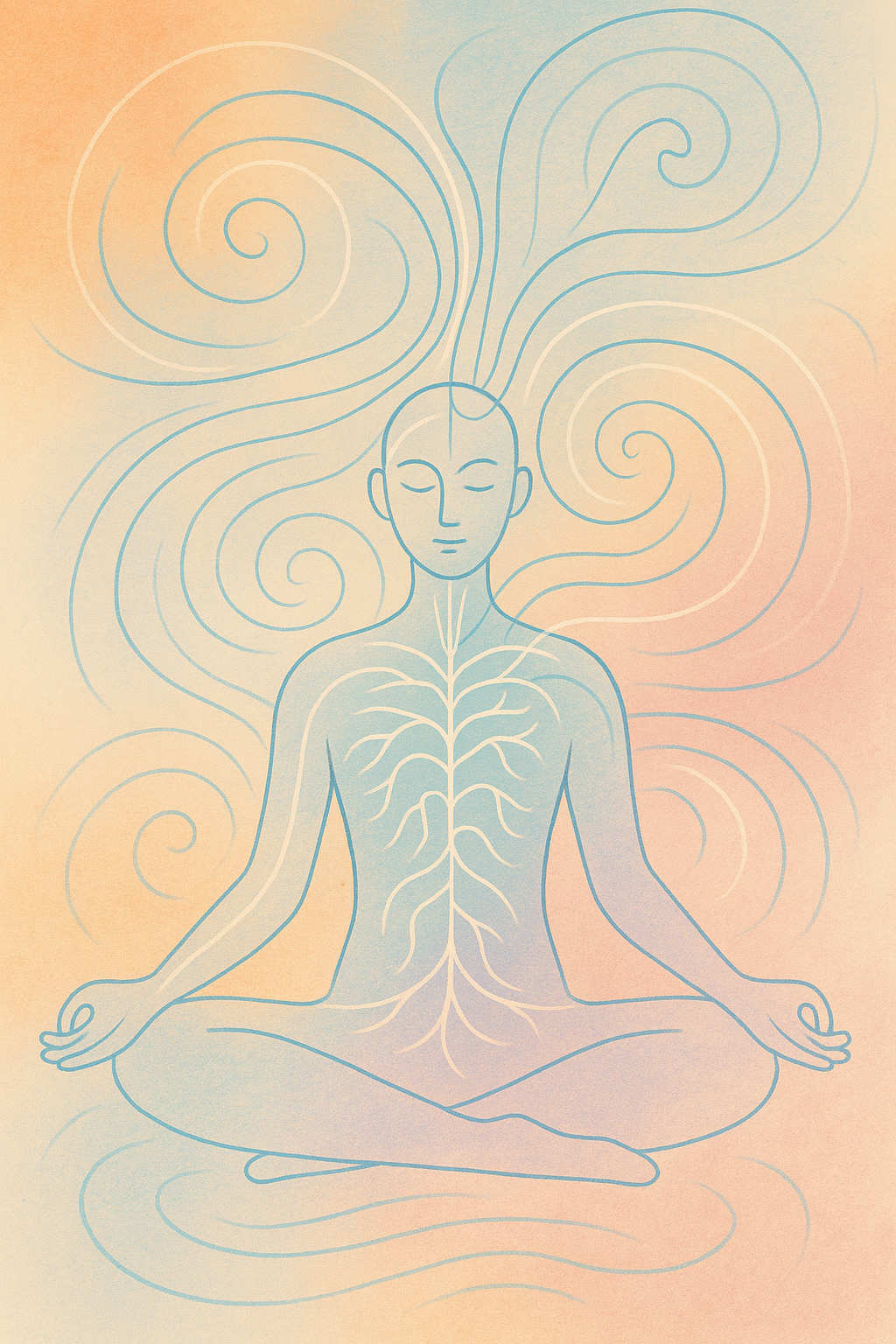
Somatic yoga blends mindful movement, breath awareness and embodied self‑inquiry. Instead of focusing on perfecting poses, it invites you to sense the subtle messages your body is sending. Bret Larkin, an internationally recognised yoga educator, describes somatic yoga as a unification of movement and mindfulness, opening the door to deeper body awareness and intuitive movement. She explains that the aim is to turn off the thinking mind, bring energy into the body and connect with your instinctive self through exploratory, non‑habitual movements. Put simply, somatic yoga helps you feel rather than force; it’s about listening to internal cues rather than external instruction.
How somatic yoga supports the nervous system
Modern life keeps many of us stuck in survival mode. Gentle somatic movements create a felt sense of safety that allows the parasympathetic nervous system (your body’s rest‑and‑digest branch) to take over. Larkin’s research‑backed articles explain that slow, mindful movements and breath awareness downregulate the hypothalamic‑pituitary‑adrenal (HPA) axis, signalling to your brain that it’s safe to relax. This helps complete unresolved stress cycles, release tension from muscles and fascia and gradually lower circulating cortisol. Gentle somatic exercises like shaking, rolling or swaying actively “reset” the nervous system; they mimic neurogenic tremors — our natural way of discharging stress — and kickstart the parasympathetic response. Regular practice can lead to profound health benefits. According to Larkin, somatic yoga practitioners report deeper sleep, improved digestion, greater emotional resilience and reduced muscle pain. Slow breathing techniques, a core element of somatic practice, also promote parasympathetic dominance. Scientific reviews have shown that slowing the breath enhances interactions between the autonomic nervous system and the brain; it increases vagal tone and shifts the body from a sympathetic to a parasympathetic state. In short, somatic yoga gives your nervous system permission to soften.
Evidence behind the practice
Beyond personal testimonials, there is growing science supporting somatic yoga and related practices. Trauma‑sensitive yoga has been shown to regulate the autonomic nervous system and improve interoception, leading to reductions in symptoms of post‑traumatic stress disorder. Breath‑led movement and guided relaxation lower cortisol levels and help the body shift out of survival mode into restoration. Slow breathing techniques likewise encourage parasympathetic activity and emotional regulation. Somatic meditation, another embodied practice, offers a powerful pathway to nervous‑system regulation, trauma healing and emotional resilience.
The House of No – a soft rebellion
The House of No is more than a yoga studio. Founded by Prishaniee, a somatic yoga life coach (700 hrs), 500‑hour yoga teacher and Ayurvedic wellness counsellor, , this “house” was created for people who are tired of urgency and performance. Its foundation rests on radical principles: rest is not a reward but a reclamation, boundaries are sacred architecture and your nervous system is your oracle. It isn’t about hustle or perfection; it’s about coming home to yourself. On the site you’ll find different “rooms” offering somatic flows, breathwork and rituals for self‑devotion A free “Guestroom” ritual invites newcomers to experience softness without pressure. The House of No frequently hosts workshops like “Come Home to Your Body — A Deeper Listening,” a somatic exploration of inner knowing, intuitive movement and nervous‑system trust. This upcoming session (16 August 2025 at Nuru House Studio, 44 Stanley, Johannesburg) includes guided nervous‑system settling and gentle, breath‑led somatic movement. Limited spots are available to preserve intimacy and nervous‑system safety, so early booking is essential.
Benefits at a glance
BenefitWhy it mattersStress & anxiety relief Gentle movement and breathwork activate the parasympathetic nervous system and reduce cortisol.
Trauma healing Creating a safe space through somatic movement helps release stored tension and trauma responses.
Improved sleep & digestion Consistent practice supports better rest and digestive function by lowering cortisol and increasing vagal tone.
Emotional resilience Interoceptive awareness cultivated through somatic practices enhances emotional regulation and self‑compassion.
Mind‑body connectionListening to your internal cues fosters a deeper connection between mind and body.
PersonalisationSomatic yoga encourages you to adapt poses and movements to your unique needs.
Why we need somatic yoga
In fast‑paced environments, many people live with chronic stress. Long commutes and demanding work environments keep the sympathetic nervous system switched on. Somatic yoga offers a locally accessible antidote. Practicing at The House of No provides the additional benefit of community support – a safe space where you can slow down, breathe and be yourself. And because the sessions are rooted in trauma‑informed principles and guided by a highly trained instructor, you can trust that your nervous system will be held with care.
Getting started
Consider booking a session at The House of No. Start with a free ritual from the Guestroom or reserve a spot at the upcoming Deeper Listening workshop. Wear comfortable clothing, bring a mat (or use one provided on site) and arrive with an open mind. During class, focus on sensation rather than performance. Notice subtle shifts in your breath, heart rate and emotional state. Over time, you may find that somatic yoga becomes a cornerstone of your self‑care routine – a gentle rebellion against burnout and a journey back to your natural rhythm.
Final thought
Somatic yoga reminds us that healing doesn’t have to be hard. Through mindful movement, breath and embodied awareness, we can gently guide our nervous systems back into balance, release the grip of chronic stress and cultivate resilience. Whether you join a class at The House of No or practice in your own lounge, you deserve the softness and sovereignty that somatic yoga offers. As Bret Larkin writes, it’s about listening to the innate wisdom of your body and allowing it to lead the way.
