THE ROOMS
Every room is a threshold back to yourself
Three ways to work together, at three depths. Step where you feel called.
BEFORE YOU CHOOSE
What usually brings someone here
Almost nobody arrives because something has obviously gone wrong. On the surface things function. That is rather the point.
What people describe instead is subtler. Feeling responsible for holding everything together, and finding there is very little left at the end of it. Rest that does not quite rest time off that comes with a low hum of alertness running underneath it. Knowing exactly what a boundary is and watching your own voice soften the moment you try to hold one. Tension in the jaw or the neck or the hips that no amount of stretching has resolved, because it was never a muscle problem.
And underneath all of it, usually unspoken, a wish for a slower way of living. Not doing less, necessarily. Moving through the same life with less pressure behind it.
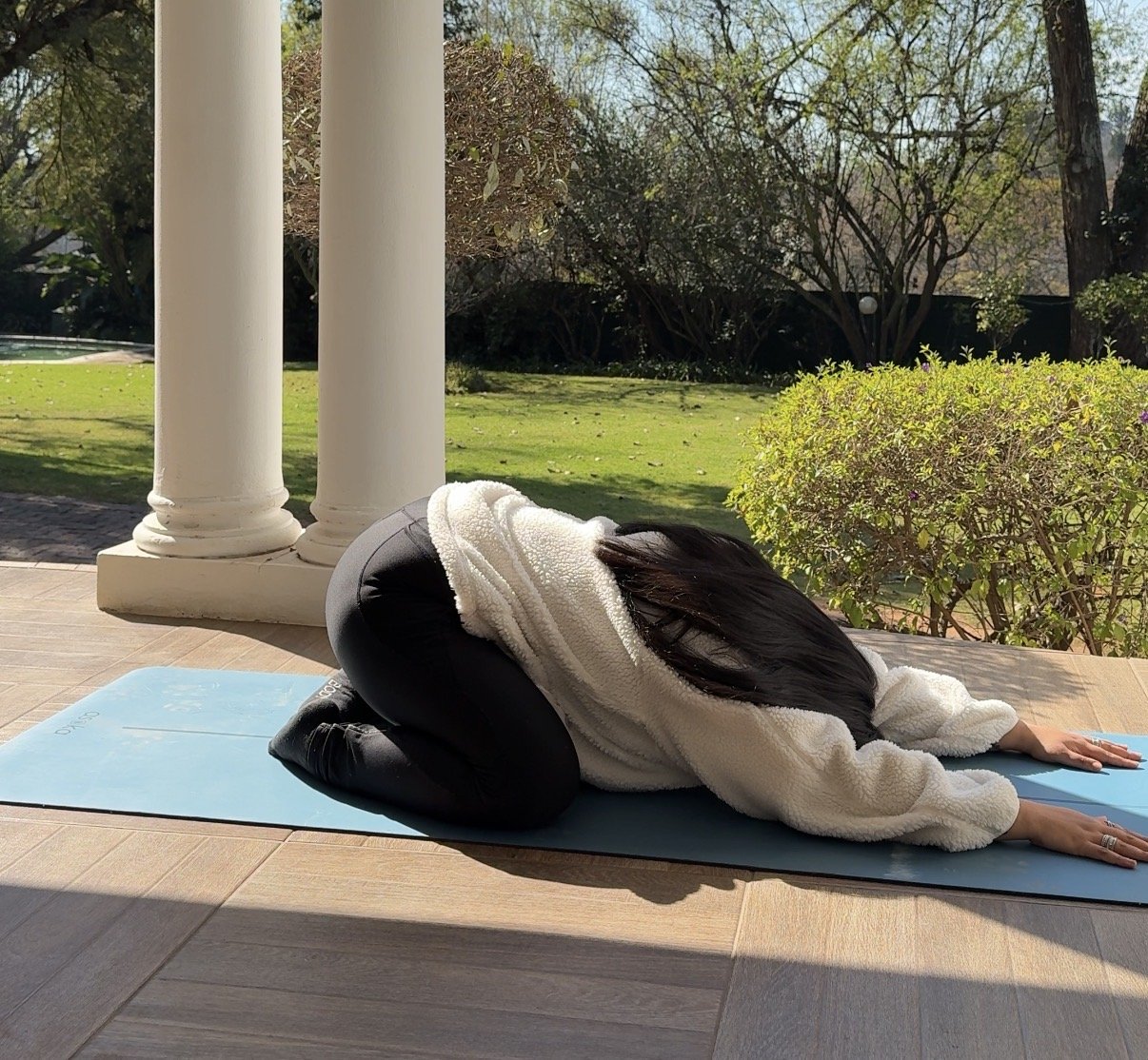
What is somatic yoga? Somatic yoga is a slow, body-led movement practice that uses traditional yoga shapes as entry points rather than positions to achieve. Instead of pushing into a pose, you move slowly enough to notice sensation, which allows the nervous system to release protective tension it has been holding. It is practised for regulation rather than fitness.
THE LOUNGE · LIVE, MONTHLY
The Somatic Yoga Class
Live, once a month
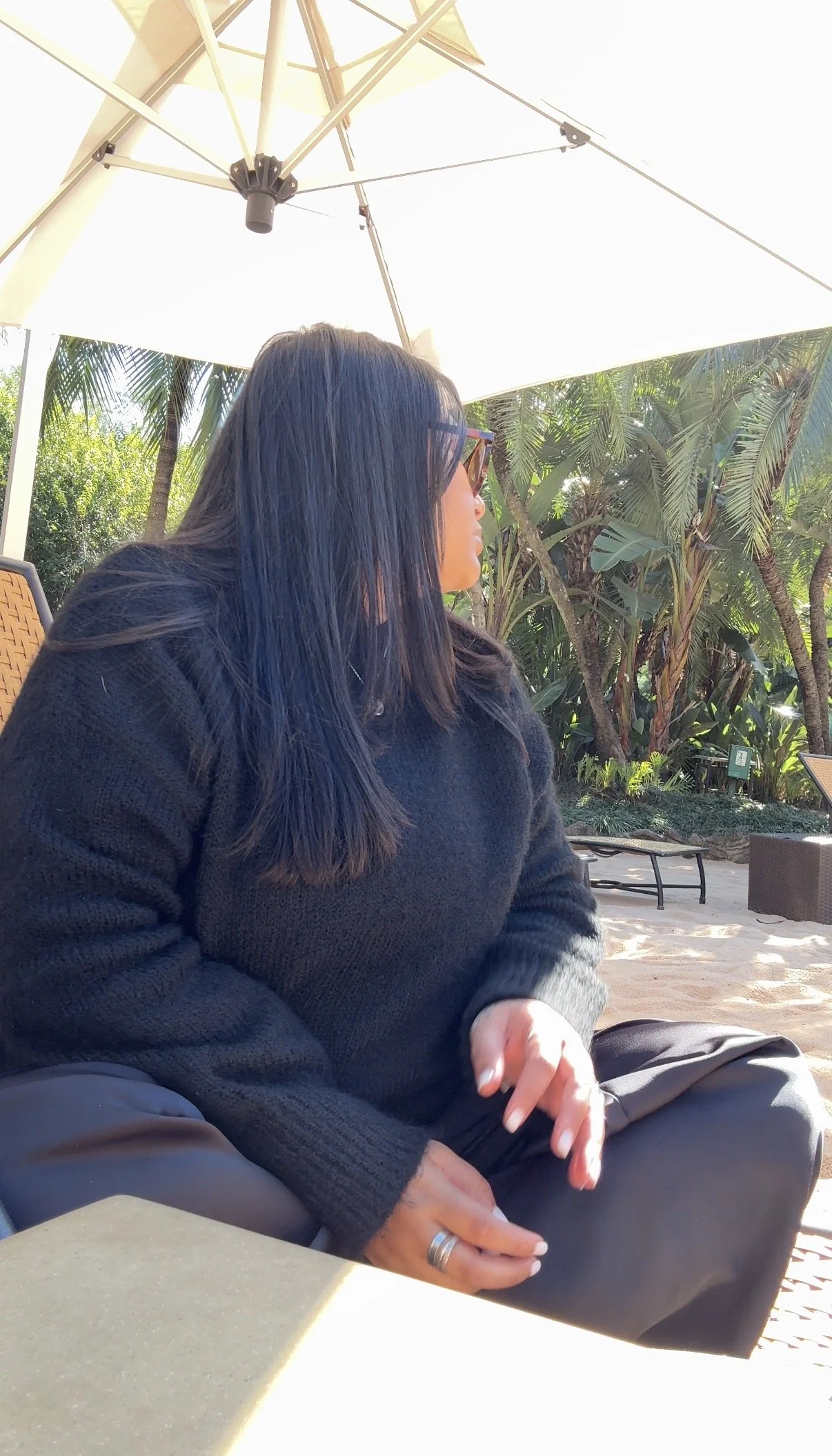
We meet once a month and practise together regulation, steadiness, and the slow work of listening to a body rather than instructing it. Consistency without pressure. Company without performance. A rhythm your nervous system can actually trust, which is a different thing from a schedule you can keep.
What's included A live 60-minute class · seven days of replay · nervous-system-aware sequencing · gentle integration guidance · a deliberately small room
It suits you if you are high-functioning and quietly tired, if you want to feel safer inside your own body, and if you are finished performing wellness for anyone. What tends to shift is speed — you react less automatically, stress lands softer, and you start catching the brace as it happens rather than three hours later in the car.
THE STUDY · PRIVATE
Boundaries in the Body
1:1 somatic coaching
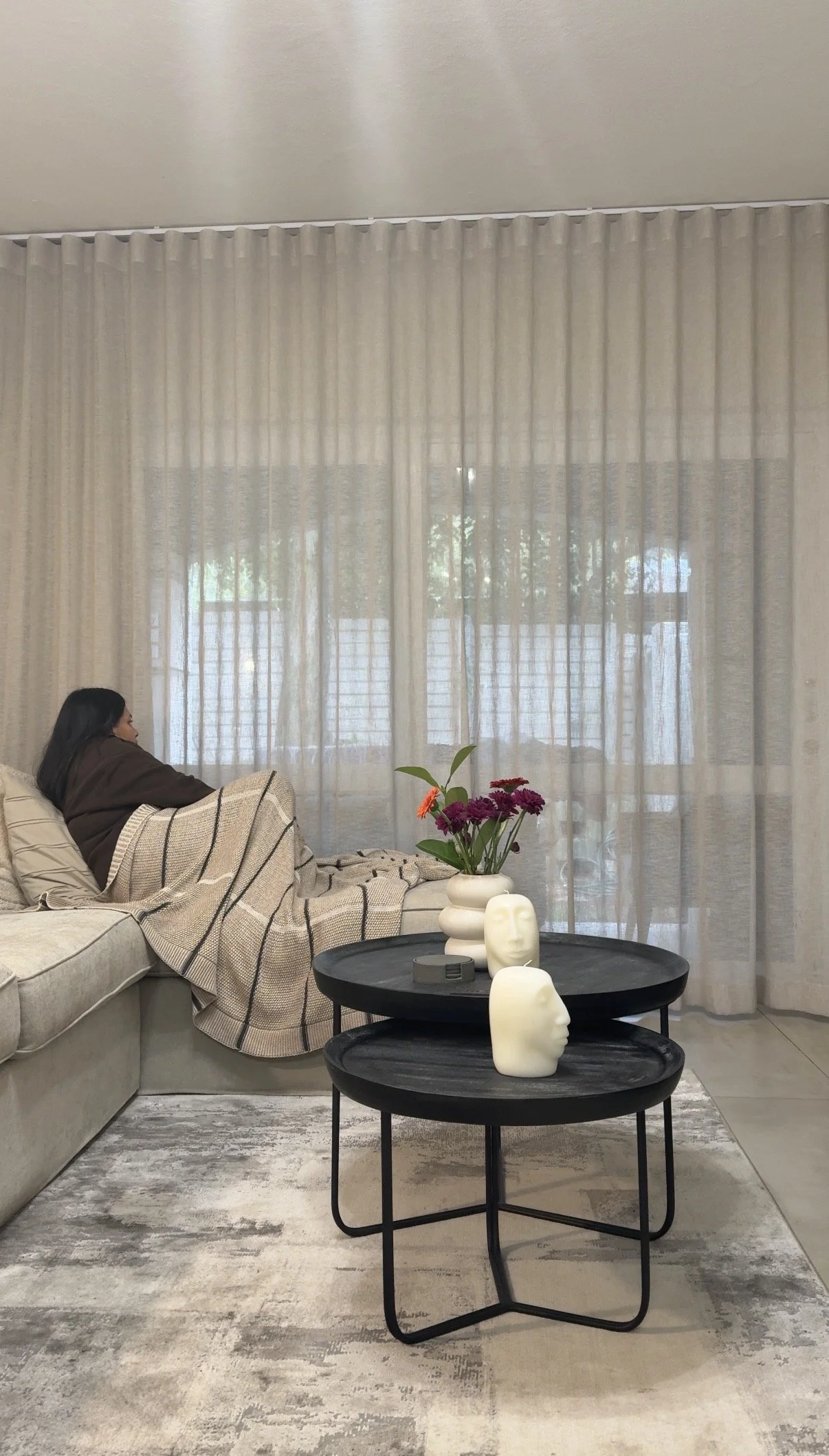
The deepest room in the house. Four private sessions spent with the patterns your nervous system has been carrying not talking about them, which you have almost certainly done at length already, but meeting them where they actually live.
Most people who come here are fluent in their own psychology. They can name the pattern. They have been naming it for years. The body has not caught up yet, and that gap is the entire work.
What's included Four private 60-minute sessions · personalised somatic practices between calls · nervous system pattern mapping · voice note support throughout · a quiet, regulated space that moves at your pace
It suits you if you are the strong one and you are tired of it, and if you want depth rather than something that sounds good in the moment. Bracing becomes settling. Self-abandonment becomes self-trust. Reacting becomes responding. Steadiness stops being an achievement and becomes the baseline you live from.
THE GARDEN · SELF-PACED
The Soft No
A seven-day somatic practice series
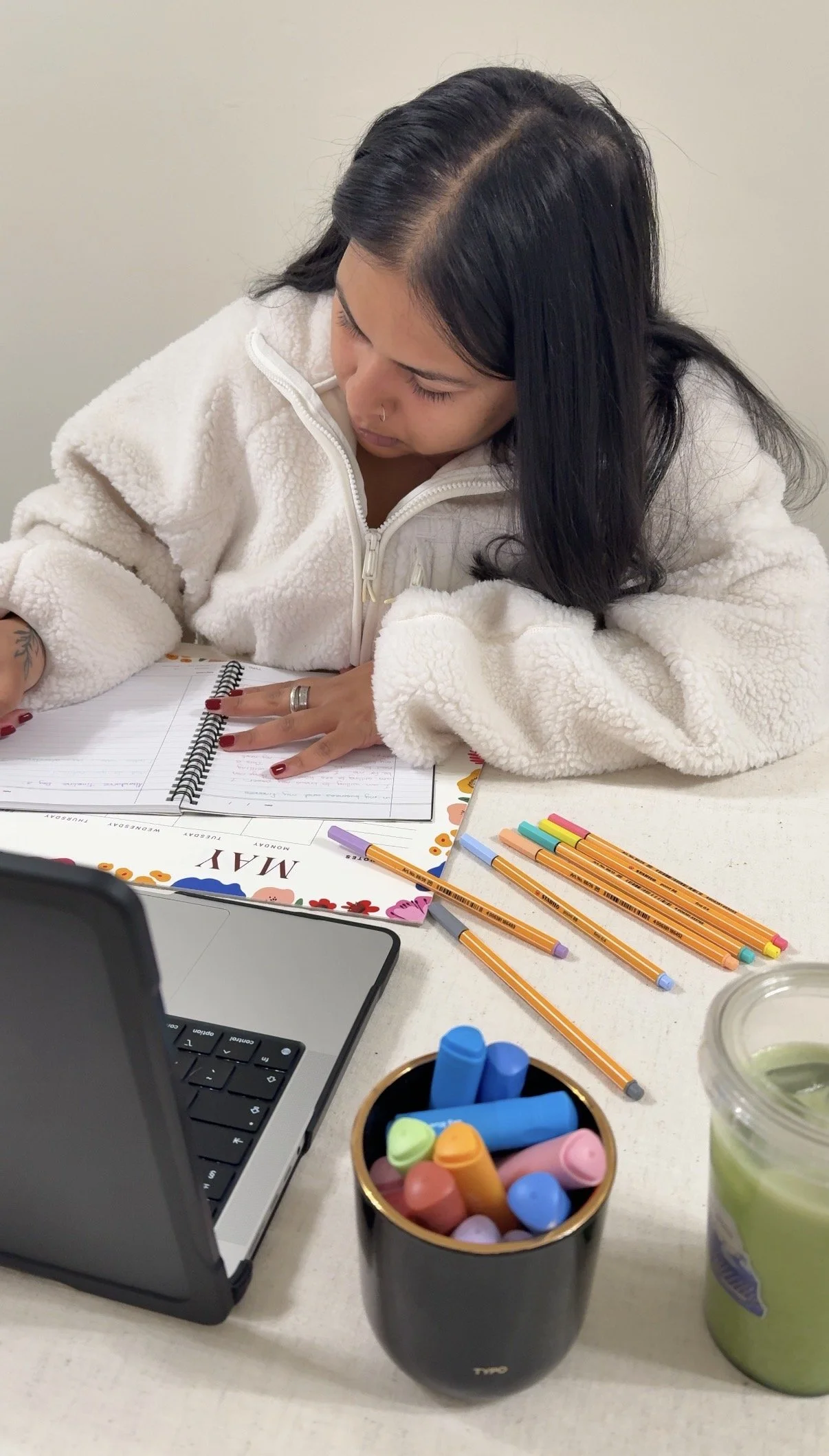
The quietest way in. Seven guided practices that build your internal no, not by making you tougher, which has never once worked for anybody, but by making the ground underneath you feel steadier. You move at your own pace, in your own home, with nobody watching and nothing to keep up with.
Seven pre-recorded somatic practices · lifetime access · nervous-system-aware sequencing throughout · practices to come back to whenever you notice yourself bracing · immediate access
It suits you if saying no still costs you something, if you feel quietly responsible for everyone's comfort, and if you would rather have relief than intensity. By the end, boundaries stop feeling like something you have to brace for and start feeling fairly ordinary.
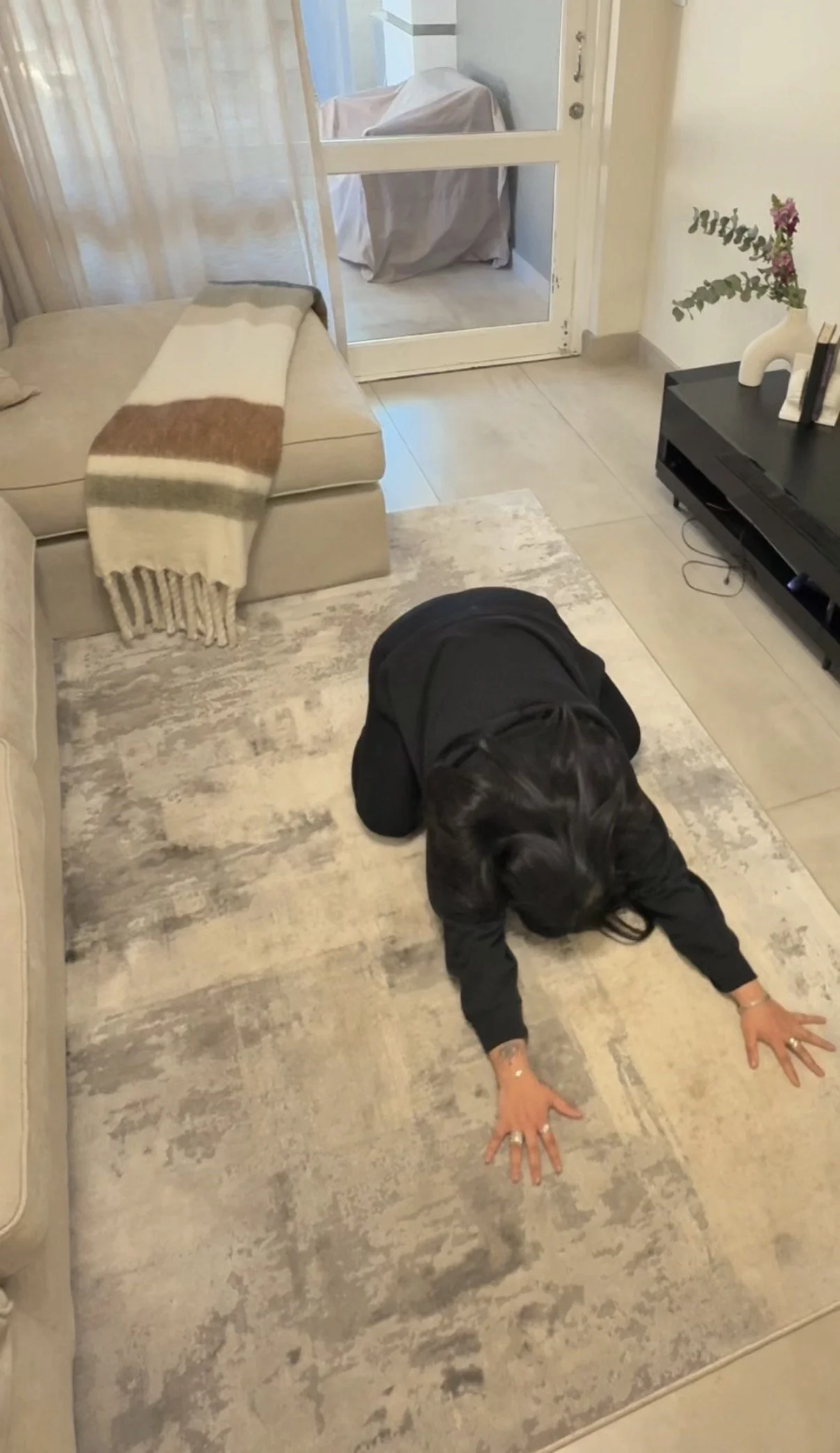
Not sure where to begin?
There is no correct starting point, only different amounts of company. The Garden is private and self-paced, and suits you if you would rather begin alone. The Lounge gives you rhythm and other people practising in the same room. The Study is for when you already know what your patterns are and want to work at the root of them.
If none of that settles it, let your body choose. It usually already has.
FAQs
Do I need yoga experience?
1
Not at all. There is no pose to achieve here and no correct way to move. We use familiar shapes as entry points so that you can explore what your body needs from them, which is a different activity to doing them properly. Plenty of people here have never practised yoga at all.
What if my body feels tight?
2
That is one of the main reasons people begin. Tension that has been held for years does not release because you asked it to it releases when the system holding it decides it is safe to. Somatic movement gives it that space, slowly. You never have to
What if I get emotional?
3
It happens, and it is usually the first sign your body feels safe enough to let something surface. If it does, it is information rather than a problem. You control the pace and you can stop whenever you want to.
I've tried things like this and nothing changed.
4
Most people here have. Mindset work, meditation, traditional yoga, those approaches work on thoughts and behaviour, and they can be genuinely useful. This one works further down, on whether your body feels safe enough for the change to hold once you stop concentrating on it.